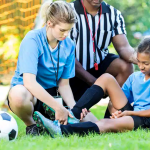

ACL injuries rank among the most common knee disorders, particularly in athletic contexts. The ACL is crucial for knee stability, and when torn, it can result in extensive time away from sports and physical activities. Understanding which sports carry the highest risk for ACL injuries is essential for athletes, coaches, and medical professionals. By identifying these high-risk sports, stakeholders can implement preventative measures to protect athletes and reduce the incidence of these debilitating injuries.
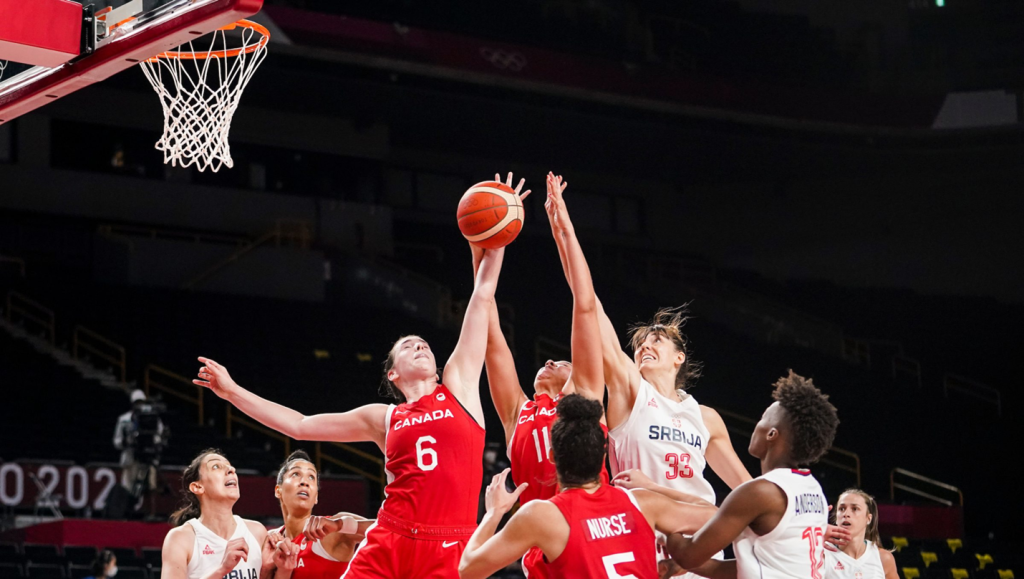
Sports Most Likely to Cause ACL Injuries are:
Soccer:
Soccer is often cited as the sport with the highest incidence of ACL injuries. The nature of the game involves frequent changes in direction, sudden stops, and physical contact with other players. These factors increase the likelihood of missteps that can lead to ACL tears. Players often plant their feet while turning or being jostled by opponents, which can result in a torn ligament.
Kabaddi:
Kabaddi, a traditional Indian sport, has a notably high incidence of ACL injuries. Research indicates that a staggering 89.47% of knee injuries in kabaddi are ACL-related. The physical demands of this sport, including tackling and quick twisting actions, considerably enhance the likelihood of ligament strain and tear.
Basketball:
Basketball players are also at high risk for ACL injuries due to the explosive jumps and abrupt directional changes required during play. The combination of jumping to shoot or rebound and quickly pivoting to defend against an opponent places significant stress on the knee joint. Statistics show that basketball accounts for a substantial percentage of ACL reconstructions, particularly among female athletes.
Football:
Football is another sport with a high rate of ACL injuries, primarily due to the physical contact involved. Players frequently engage in high-impact collisions and need to change direction rapidly while running. The combination of these factors makes football a significant contributor to ACL tears, especially during games when players are more likely to take risks.
Skiing and Snowboarding:
Winter activities such as skiing and snowboarding provide a significant risk of ACL injury. Falls or crashes can lead to traumatic injuries, particularly if ski bindings do not release properly during a fall. The twisting motions involved in navigating slopes can also place strain on the knee ligaments.
Tennis:
Tennis players are susceptible to ACL injuries due to the rapid lateral movements and pivots required on the court. The need to quickly change direction while maintaining balance can lead to awkward landings or missteps that result in ligament damage.
Volleyball:
Volleyball involves jumping and quick lateral movements, both of which can contribute to ACL injuries. Players often land awkwardly after spikes or blocks, increasing their risk of knee injuries.
Cricket:
While cricket is less physically demanding than some other sports, players still face risks during fielding and bowling actions. ACL injuries can occur due to sudden stops or awkward landings.
Conclusion
Rapid mobility and physical contact sports are more prone to ACL injury. These injuries are most common in soccer, basketball, American football, skiing, tennis, and volleyball. Athletes and coaches may tailor training and injury prevention by recognizing sports hazards. Awareness and preventative actions help athletes perform at their best and avoid crippling knee problems.
For enquiries and online appointments, send a message to
www.BangaloreShoulderInstitute.com/contact
For informative videos related to Shoulder problems and their treatment options, Sports Injuries and other orthopedic conditions, visit our YouTube channel Bangalore Shoulder Institute – https://www.youtube.com/@BangaloreShoulderInstitute