
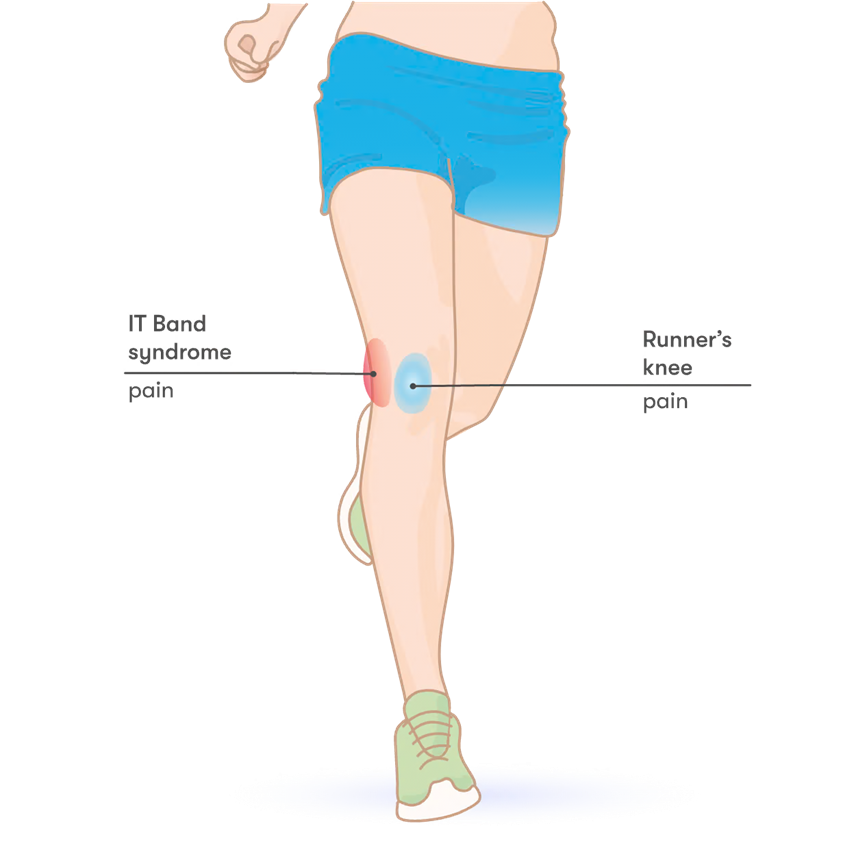
Runner’s knee, or patellofemoral pain syndrome, causes aching pain around or behind the kneecap, often triggered by running, squatting, or prolonged sitting. While common in active individuals, anyone placing repeated stress on the knees can be affected. Early recognition and proper care can restore comfort and prevent long-term knee issues.
Common Causes of Runner’s Knee
Runner’s knee doesn’t usually stem from one single problem. Instead, it’s often the result of a combination of factors that place extra stress on the knee joint, including:
- Overuse and Repetitive Motion: Frequent running or jumping can irritate the tissues around the kneecap, leading to pain and inflammation.
- Muscle Weakness or Imbalance: If the muscles around your hips, thighs, or knees—such as the quadriceps, hamstrings, or glutes—are weak or unbalanced, the kneecap may not track smoothly.
- Poor Alignment or Movement Patterns: Flat feet, misaligned knees, or abnormal walking/running patterns can increase pressure on the patellofemoral joint.
- Inappropriate Footwear or Technique: Worn-out shoes or poor form while running can strain the knee over time.
- Sudden Increases in Activity: Jumping into a new workout routine or increasing your training intensity too quickly can overload the knee before it’s ready.
Symptoms to Look Out For
If you’re dealing with runner’s knee, you may notice:
- Discomfort during activities like running, squatting, or using stairs
- Pain after sitting for long periods with bent knees
- Occasional swelling or a feeling of grinding or popping in the knee
Treatment for Runner’s Knee
The good news is that most cases of runner’s knee can be managed effectively with non-surgical care. The main goals are to reduce pain, correct any underlying issues, and gradually return to activity. Treatment options include:
- Rest and Activity Modification: Take a break from high-impact activities that worsen the pain. Try low-impact alternatives like swimming or cycling to stay active without overloading the knee.
- Ice Therapy: Applying ice for 15–20 minutes a few times a day can help relieve inflammation and soothe soreness.
- Physiotherapy: A personalized rehab program focusing on strengthening the muscles around the knee—particularly the quadriceps, hamstrings, hips, and glutes—is key to improving joint stability and preventing future issues.
- Stretching and Flexibility Work: Regularly stretching the thighs, calves, and hip flexors can help reduce tension on the knee.
- Supportive Devices: Shoe inserts (orthotics) or braces may be helpful if foot posture or alignment contributes to the problem.
- Knee Taping or Bracing: Special taping techniques or knee braces can offer additional support during movement and may reduce pain.
In most cases, surgery is not required. However, if symptoms persist despite conservative treatment, further evaluation by an orthopaedic specialist may be necessary.
Conclusion
Runner’s knee can be a frustrating condition, especially if you’re active and eager to stay moving. Fortunately, with proper care and attention, most people recover fully within a few weeks. If your knee pain doesn’t improve with rest and basic care—or if it starts interfering with your daily activities—it’s important to consult a physiotherapist or orthopaedic doctor. Whether you’re a runner, a weekend hiker, or someone just trying to stay active, taking care of your knees today means fewer setbacks tomorrow.
For enquiries and online appointments, send a message to www.DrAyyappanVNair.com/contact
For informative videos related to Shoulder problems and their treatment options, Sports Injuries and other orthopedic conditions, visit our YouTube channel Bangalore Shoulder Institute – https://www.youtube.com/@BangaloreShoulderInstitute