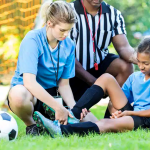
An anterior cruciate ligament (ACL) is one of the major ligaments in your knee, important for stability, particularly during twisting and pivoting movements. An ACL injury, often a tear, can result from sudden stops, changes in direction, or direct impact. While a complete tear often generates significant concern, the severity and individual circumstances play a massive part in determining the best course of action.
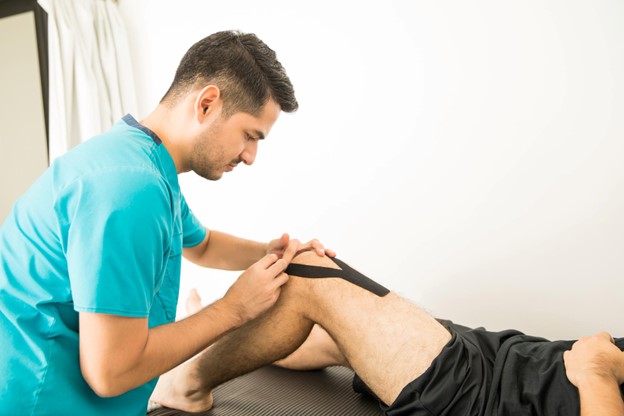
When Non-Surgical Treatment Might Be the Answer
Non-operative management focuses on restoring knee function through physiotherapy and bracing. It’s not a ‘one-size-fits-all’ approach, but it can be successful in specific situations:
- Partial Tears: If you have a partial tear and your knee remains stable, non-surgical treatment may be sufficient.
- Low-Demand Lifestyle: Individuals who don’t participate in high-impact sports or activities requiring pivoting movements may find that non-operative management adequately restores their knee function1.
- Older Adults: For those over 50 or those with pre-existing health conditions, the risks associated with surgery may outweigh the benefits, making non-surgical management a preferable option.
- Sedentary Lifestyles: Individuals who engage in light manual work or who live sedentary (inactive) lifestyles.
What Does Non-Operative Treatment Involve?
Non-operative treatment is a commitment requiring dedication and consistency:
- Physiotherapy: This is the cornerstone of non-surgical management. A physiotherapist will guide you through customized exercises to reduce inflammation, restore range of motion, and strengthen the muscles surrounding your knee. Proprioceptive (balance) exercises are also crucial.
- Bracing: A hinged knee brace can provide added support and stability, particularly during sports or activities that put stress on the knee. Some braces are specially designed for ACL injuries. While some find them cumbersome for daily wear, they can be valuable during specific activities like skiing or tennis. A brace where the knee is fixed at a right angle is often worn for the first 4 weeks.
- Activity Modification: You may need to adapt your activities to avoid ones that impose too much strain on your knee, such as pivoting or twisting motions. Many choose to give up pivoting movements and continue with less intensive activities.
The Importance of a Tailored Approach
The success of non-surgical management depends on individual factors. A thorough assessment by a physiotherapist and orthopaedic consultant is crucial to determine if it’s the right path for you. They will consider the severity of your tear, your activity level, your overall health, and your personal goals.
Potential Benefits and Drawbacks
Non-surgical treatment offers potential benefits, including avoiding the risks and recovery time associated with surgery. Emerging research suggests that structured rehabilitation programs can significantly enhance knee stability. However, it’s essential to be aware of the potential drawbacks. Many people who initially choose non-surgical management may later require surgery due to persistent instability or further injury. Also, children with ACL tears are at high risk for future damage with non-surgical management.
Conclusion
While surgery remains a common and effective treatment for ACL injuries, non-surgical management offers a viable alternative for certain individuals. The key is a thorough assessment, a tailored treatment plan, and a commitment to rehabilitation. If you have an ACL injury, ask your doctor about all of your options so you can make an informed decision based on your unique needs and goals. There is no high-quality research demonstrating that the ACL cannot recover.
For enquiries and online appointments, send a message to www.DrAyyappanVNair.com/contact
For informative videos related to Shoulder problems and their treatment options, Sports Injuries and other orthopedic conditions, visit our YouTube channel Bangalore Shoulder Institute – https://www.youtube.com/@BangaloreShoulderInstitute