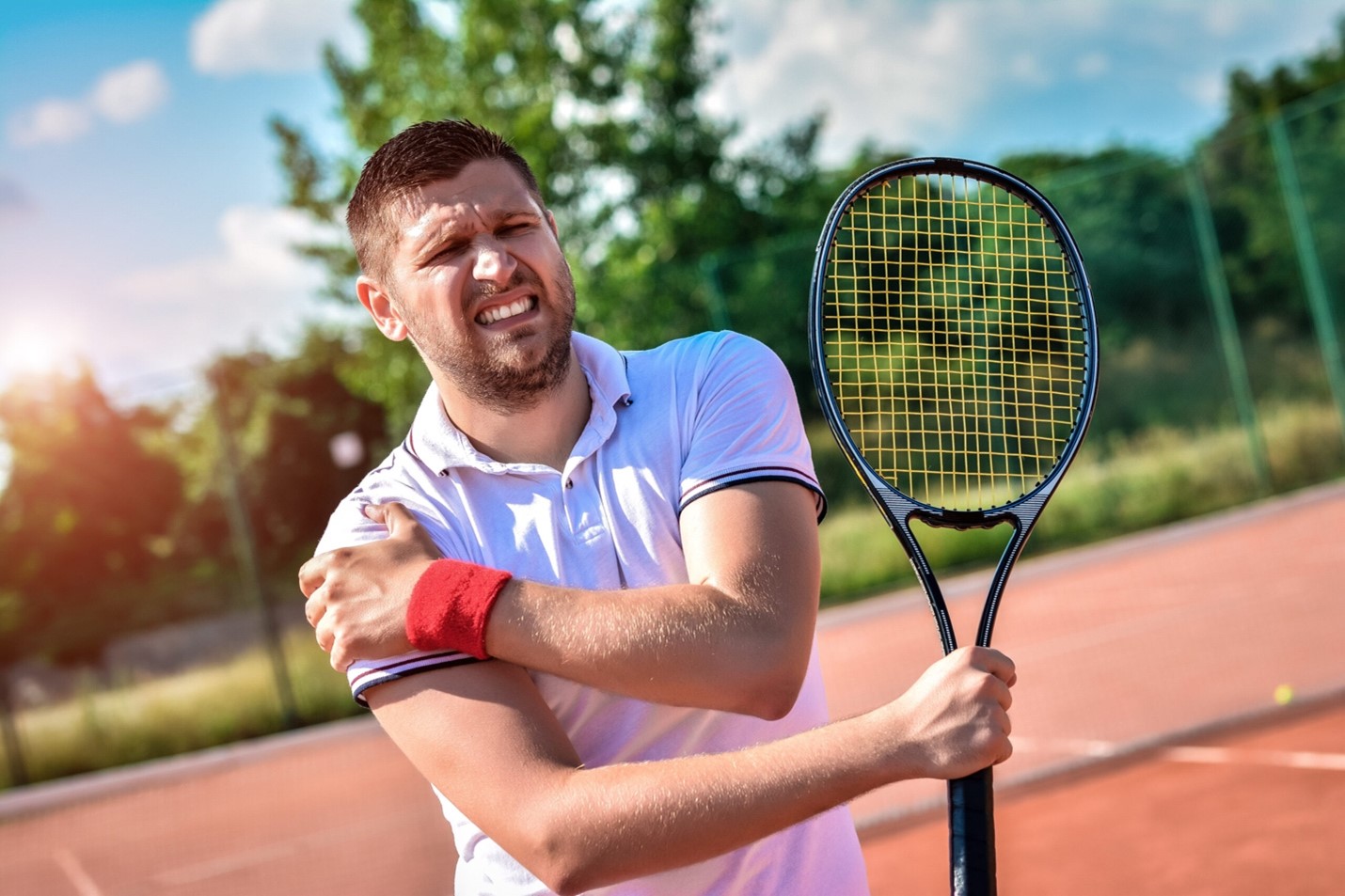
Rotator cuff injuries are a frequent issue among athletes, especially those participating in sports with repeated overhead motions like swimming, cricket, tennis, and rugby. Knowing what causes these injuries, how to identify them, and the treatment options available is essential for a safe and speedy return to play.
Understanding the Rotator Cuff
The rotator cuff consists of four primary muscles—supraspinatus, infraspinatus, teres minor, and subscapularis—along with their associated tendons. Together, they help stabilize the shoulder joint and support a wide range of movements, such as arm lifting, rotation, and overhead tasks. These muscles ensure that the head of the upper arm bone stays properly aligned within the shallow socket of the shoulder, enabling both daily activities and athletic performance.
Athletes and the Risk of Rotator Cuff Injuries
Athletes often stress their shoulders through constant, high-demand activity. Some common causes of injury include:
- Repetitive Use: Sports involving frequent overhead movements can lead to wear and tear. This repetitive strain may result in internal impingement, where tendons become compressed during certain arm positions.
- Sudden Impact: Falls or direct hits in contact sports can cause tears or even small fractures.
- Joint Instability: Naturally loose joints or excessive stretching can lead to instability, making the rotator cuff more vulnerable to injury.
Recognizing the Symptoms
Early detection is crucial. Common symptoms of rotator cuff injuries include:
- Aching Shoulder Pain: Often felt deep in the joint, especially when lifting the arm or sleeping on the injured side.
- Muscle Weakness: Trouble raising or rotating the arm, particularly overhead.
- Reduced Mobility: Difficulty moving the shoulder freely.
- Sleep Disruption: Pain may interfere with resting positions.
Treatment and Recovery for Rotator Cuff Injuries
The management of rotator cuff injuries depends largely on the severity of the damage and the individual’s physical demands or athletic goals.
Non-Surgical Treatment
- Rest and Ice: Reducing or avoiding movements that cause pain, applying ice packs regularly, and taking over-the-counter anti-inflammatory medications can effectively manage early symptoms.
- Physical Therapy: A personalized rehabilitation plan helps improve shoulder strength, restore mobility, and enhance flexibility. Most mild to moderate injuries respond positively to consistent physiotherapy.
- Injections: Corticosteroid or platelet-rich plasma (PRP) injections could sometimes be advised to lower inflammation and assist natural healing, usually postponing or avoiding surgery.
Surgical Treatment
- Arthroscopic Repair: For more significant or complete tendon tears, minimally invasive arthroscopic surgery is often performed to reattach the torn tissue.
- Open Surgery: In complex or chronic cases where arthroscopy isn’t sufficient, open surgical procedures may be required for proper tendon reconstruction.
- Rehabilitation After Surgery: Post-operative physical therapy is crucial. A progressive, structured rehab program aids in restoring shoulder function, preventing stiffness, and ensuring a full return to daily activities or sports performance.
Conclusion
Rotator cuff injuries don’t have to sideline an athlete for long if caught early and treated properly. If you’re experiencing ongoing shoulder discomfort, weakness, or limited motion, consult a medical professional. Timely care and a gradual return to sport can help prevent long-term issues and support a safe, successful comeback.
For enquiries and online appointments, send a message to www.DrAyyappanVNair.com/contact
For informative videos related to Shoulder problems and their treatment options, Sports Injuries and other orthopedic conditions, visit our YouTube channel Bangalore Shoulder Institute – https://www.youtube.com/@BangaloreShoulderInstitute