

Written by: Editorial Team, Bangalore Shoulder Institute
Medically Reviewed by: Dr. Ayyappan V. Nair (https://drayyappanvnair.com)
Senior Consultant – Shoulder Surgery, Arthroscopy and Sports Trauma
Manipal Hospitals, Bangalore
Last Reviewed: 13 July 2026
Rotator cuff injuries in cricketers often start quietly. A player may notice a dull ache after bowling, discomfort during boundary throws, or a heavy shoulder the next morning. Because the arm still moves, it is often mistaken for routine soreness.
The rotator cuff keeps the shoulder joint centred during fast, repeated arm movements. When overloaded or torn, the shoulder may still work, but power, timing and control begin to drop. Pain with weakness, poor recovery, reduced pace or hesitation while throwing should be assessed early.
Why The Rotator Cuff Matters In Cricket
The rotator cuff is not the main power source for bowling or throwing. Power comes from the legs, trunk, chest and back. The cuff’s job is to keep the shoulder joint steady, guide rotation and control the arm as it slows after release.
When these tendons become painful or tired, the action may still happen, but it becomes less efficient. The neck, upper back, elbow or wrist may then compensate, increasing strain across the whole throwing or bowling chain.
How Cricket Overloads The Shoulder Tendons
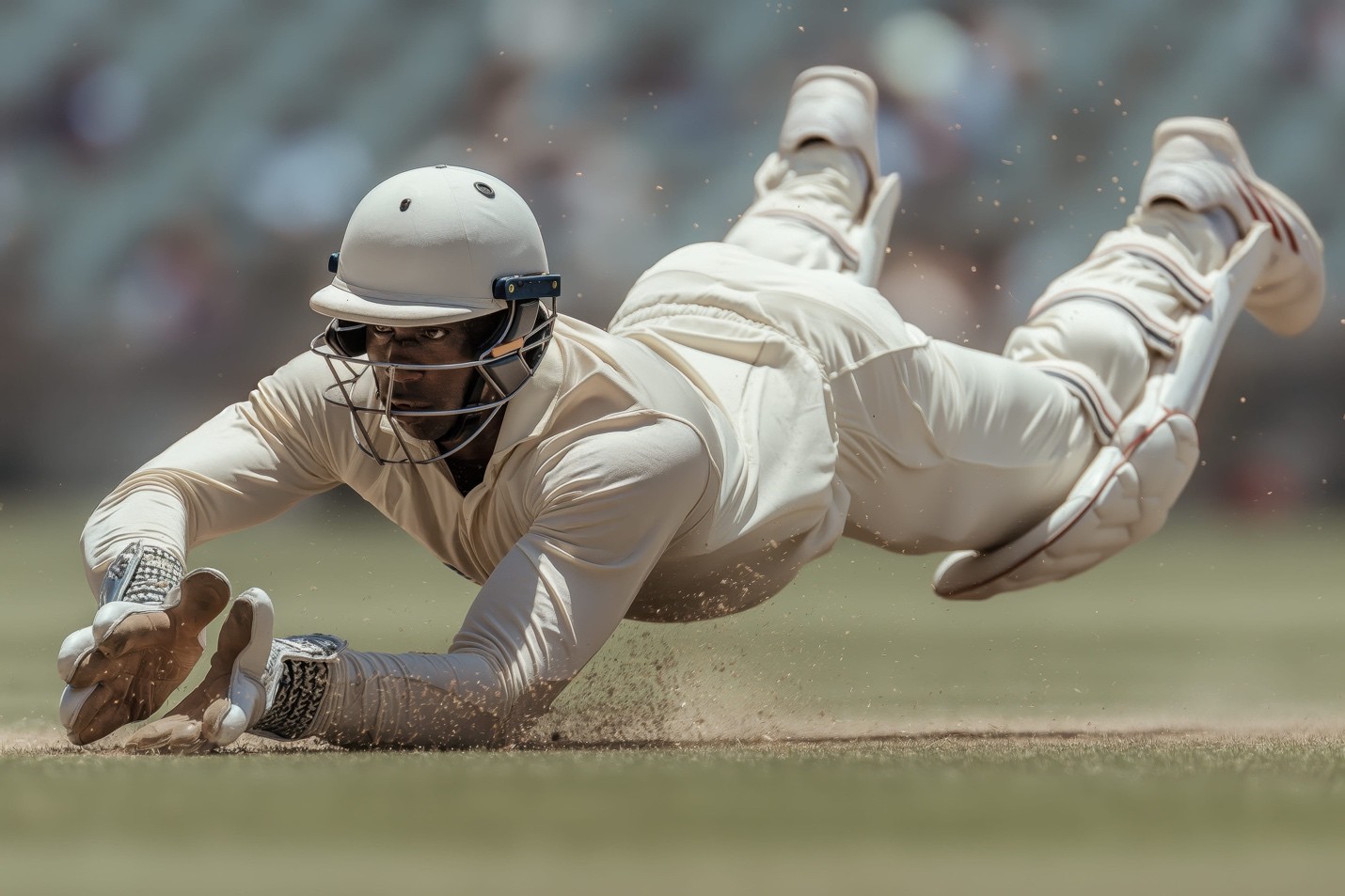
Cricket stresses the shoulder in different ways. Fast bowlers repeat high-speed arm movement, spinners bowl long spells, boundary fielders throw from distance, and wicketkeepers reach, dive and return the ball all day.
Rotator cuff problems usually develop when workload rises faster than the tendon can recover. Extra bowling, repeated throwing, busy tournaments, poor sleep, weak shoulder blade control or unbalanced gym work can overload the cuff. The result may be pain, reduced pace, shorter throwing distance or a shoulder that feels unreliable during play.
Warning Signs That Need Assessment
Some discomfort after an unusually heavy day may settle with sensible rest. Repeated pain with the same cricket movement is different and should not be ignored.
Cricketers, coaches and parents should watch for:
- Pain when throwing hard from the deep
- Ache after bowling that lasts into the next morning
- Weakness at the top of a delivery or throw
- Discomfort when reaching out to the side, above shoulder level, or into an overhead position
- A deep ache at night, especially when the player rolls onto the sore shoulder
- Loss of throwing distance or bowling pace
- Pain during gym pressing, dips or pull-ups
- A heavy or tired shoulder earlier than usual
- Sudden weakness after a fall, dive or collision
Sudden inability to lift the arm properly after trauma needs early medical review. Trying to play the next match before assessment can make treatment more difficult.
Different Rotator Cuff Injuries Need Different Plans
The term rotator cuff injury covers a range of problems. Not every case is a major tear, and not every painful shoulder needs surgery.
Tendon overload, often called rotator cuff tendinopathy, is common in cricketers. The tendon becomes painful and sensitive but remains intact. It often follows a workload spike, repeated throwing under fatigue, or poor recovery. With load control and specific strengthening, many players improve without surgery.
A partial-thickness tear means some tendon fibres are damaged, but the tendon has not fully separated. Players may notice deeper pain, reduced power at higher speeds, and discomfort when throwing hard. Continuing at full intensity while the tendon remains painful can prolong recovery.
A full-thickness tear means the tendon is torn through its depth. This is more concerning after a fall, dive or sudden pull, especially if the player cannot lift the arm normally afterwards. In active cricketers, sudden weakness after injury should be assessed promptly.
Why Pain Location Can Be Misleading
Rotator cuff pain is often felt on the outer upper arm rather than directly on top of the shoulder. Many players think they have strained the deltoid. Others feel pain at the front of the shoulder during throwing, or a deep ache after bowling.
Pain may also spread towards the neck or upper back because nearby muscles tighten to protect the shoulder. The location gives useful clues, but it does not confirm the diagnosis by itself.
A proper assessment includes shoulder movement, cuff strength, shoulder blade control, neck involvement, and cricket-specific positions. The full pattern matters more than one tender point.
When Playing Through Pain Becomes Risky
Cricketers are used to discomfort, but playing through a cuff injury becomes risky when pain changes technique. A bowler may shorten the arm path, reduce pace or avoid a full follow-through. A fielder may stop throwing an overarm and start lobbing the ball. A wicketkeeper may hesitate during dives or quick returns.
These changes may protect the shoulder briefly, but they often shift load elsewhere. The elbow, neck, back or opposite shoulder may start taking extra strain.
A player should stop and seek assessment if pain causes sudden weakness, prevents overhead movement, disturbs sleep, follows a fall or collision, or returns every time bowling or throwing intensity increases.
Recovery Should Match Cricket Demands
Most rotator cuff injuries in cricketers are managed without surgery. Early treatment usually means reducing painful load, avoiding provocative gym work, maintaining gentle movement and improving sleep and comfort.
Rehabilitation should restore movement first, then improve shoulder blade control, strengthen the cuff through safe ranges, build upper-back and trunk support, reintroduce throwing in short blocks, and return to bowling only when the shoulder recovers well the next day.
A shoulder that feels normal at rest is not automatically match-ready. It must tolerate speed, repetition, fielding throws and recovery between sessions.
Surgery may be considered for a significant tear, persistent weakness, a traumatic full-thickness injury, or symptoms that continue despite structured rehabilitation. The decision depends on age, playing level, tear size, tendon quality and what the player needs the shoulder to do.
Keeping The Shoulder Season-Ready
Prevention is not a last-minute exercise sheet. It needs regular cuff strengthening, shoulder blade control work, upper-back mobility, proper throwing warm-ups and sensible workload planning.
Heavy pressing in the gym should be balanced with pulling strength and rotator endurance. Bowling and throwing volume should rise gradually, not suddenly, during trials, tournaments, or after a break.
Young cricketers need particular care during school, academy and tournament cricket, where enthusiasm can exceed recovery. Pain that affects throwing, bowling, lifting or sleep should be treated as a warning signal, not a normal part of development.
Conclusion
Rotator cuff injuries in cricketers are best managed before pain changes technique, confidence or performance. Early assessment helps identify whether the problem is tendon overload, a partial tear or a more serious injury. With accurate diagnosis, measured workload changes and cricket-specific rehabilitation, most players can return with better shoulder control, safer mechanics and a stronger base for the season ahead.
For enquiries and online appointments, send a message to www.DrAyyappanVNair.com/contact
For informative videos related to Shoulder problems and their treatment options, Sports Injuries and other orthopedic conditions, visit our YouTube channel Bangalore Shoulder Institute – https://www.youtube.com/@BangaloreShoulderInstitute